
The Art of Film Cinematography: Exploring Techniques and Aesthetics

The art of film cinematography is a multifaceted and complex discipline that involves the use of various techniques and tools to create a visual narrative that tells a story. At its core, cinematography is about the art of capturing light and using it to create an image that conveys meaning, emotion, and atmosphere. 

Different Techniques and Aesthetic in Film Cinematography

There are many different techniques and aesthetics involved in film cinematography. Here are some examples:

Lighting

Cinematographers use lighting to create specific moods and atmospheres in a scene. They may use natural light, artificial light, or a combination of both to achieve the desired effect.

Composition

Composition refers to how the elements of a scene are arranged within the frame. Cinematographers use techniques such as framing, balance, and symmetry to create visually interesting and meaningful images.

Camera Movement

The use of pans, tilts, and following views, among others, can give the impression of movement and intensity in a scene. It can also be used to direct the audience’s attention to specific elements within the frame.

Conclusion

These are just a few examples of the many techniques and aesthetics involved in film cinematography. Cinematographers must have a deep understanding of these elements and be able to use them creatively to tell a compelling visual story.
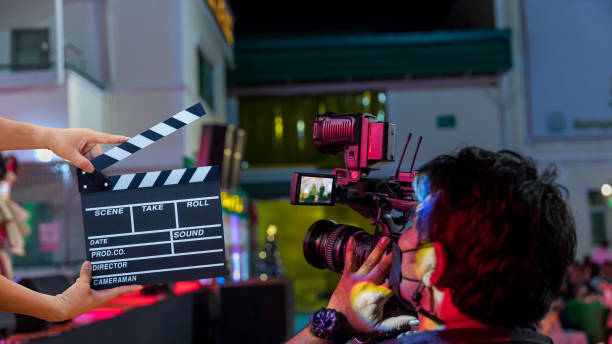
Essential Cinematography Advice for Directors

Cinematography is a unique art form in which visual imagery and narrative construction are combined. Cinematography is a potent medium for self-expression because it allows the director to craft a visual style that suits the narrative being told.

Learn the Play

Get to know your script well. It never ceases to amaze me how many directors of photography and cinematographers place so much emphasis on the film’s technical aspects at the expense of the content. The technical setup and knowledge of what equipment will be used and where is fantastic, but without knowledge of the plot, the creative slide might truly slip.

Become an Expert in the Methods

Learn every possible skill set. Have a mindset of continuous study and improvement. Learning these methods can help you create a unique cinematic style and increase the variety of shots at your disposal. With time, this will become your signature look.

Set up a Procedure

Seems tiresome, but believe us, you’ll benefit much. Time and effort are both reduced by the implementation of such a workflow or procedure on set. You can trust the employees since they know what they’re doing and will tell you if anything is too low or too high.

The Finest Filmmaking Methods & Advice

Cinematography, often known as filmmaking, entails using a camera to record moving pictures. This entails keeping track of an incident as time passes and piecing together the recordings into a narrative.

Advice on Filmmaking

Humans have an innate need to absorb information visually. Visual representations of information are more effective in capturing and holding the attention of the audience than textual descriptions alone.

It’s important that everything you make has a polished appearance.

Think outside the box.

Let there be light.

Set the stage properly.

Be Sure To Try Out The Best Filmmaking

On-set testing is the gold standard for evaluating a cinematographer’s work, including observing the composition of the shots and the placement of the camera in relation to the actors and other elements. Furthermore, the most expensive films do not always have the best cinematography.

What Makes for a Good Film

It might be challenging to grasp the subtleties and nuances of cinematography due to its technical nature. There are several factors involved, but the framework, camera movement, plus cinematic methods are the most crucial. Good cinematography also relies on the subtleties of lighting and sound to create an immersive experience for the audience.

We use no cookies. We only gather most basic information. Learn more: Privacy Policy.
𐌢