
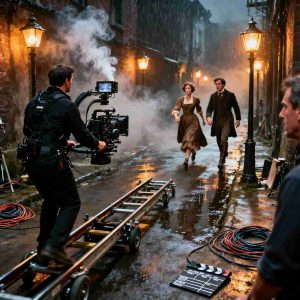
The use of long takes has turned out to be an effective weapon of modern cinematography in recent years. Directors are employing long shots to immerse the viewers with real-time narratives. This method removes the common discontinuities and produces a smooth flow of visuality. Consequently, long takes are redefining the story telling process on screen.
The Art of Long Motion without Interruptions
Long takes involve accurate synchronisation of actors and camera operators. All the movements are supposed to be choreographed to ensure continuity. This brings out the effect of realism which engages viewers further into the scene.
Developing Tension With Non-Interrupted Series
Long shots increase the tension as they do not allow the viewers to relax. In the absence of the cuts, the audience is kept in the moment. The method is particularly useful in thriller and drama movies.
Expertise Underlying Flawless Performance
It takes numerous rehearsals and sophisticated equipment to make the perfect long take a reality. Success requires stabilization tools and professional camera work. A single error may force one to restart the whole process.
Why Audiences want to Experience the Immersive Cinema
The audience is becoming more attracted to movies that seem natural and seamless. Long takes give a different feel of being present and being involved. This intensifies and makes the viewing experience memorable.
End Notes
Long takes are not a mere form of style in filmmaking. They are a move towards immersion and technical accuracy. This technique will probably be further developed as filmmakers keep experimenting. Long takes can be a characteristic of future cinema innovation.